PMU Knowledge · 14 May 2025 · 8 min read
Contraindications in Permanent Makeup: When to Say No
Discover the essential guide to PMU contraindications. Learn who cannot have permanent makeup, understand PMU safety, and know when to say no to protect.
By Powdrr Academy, PMU Training Experts
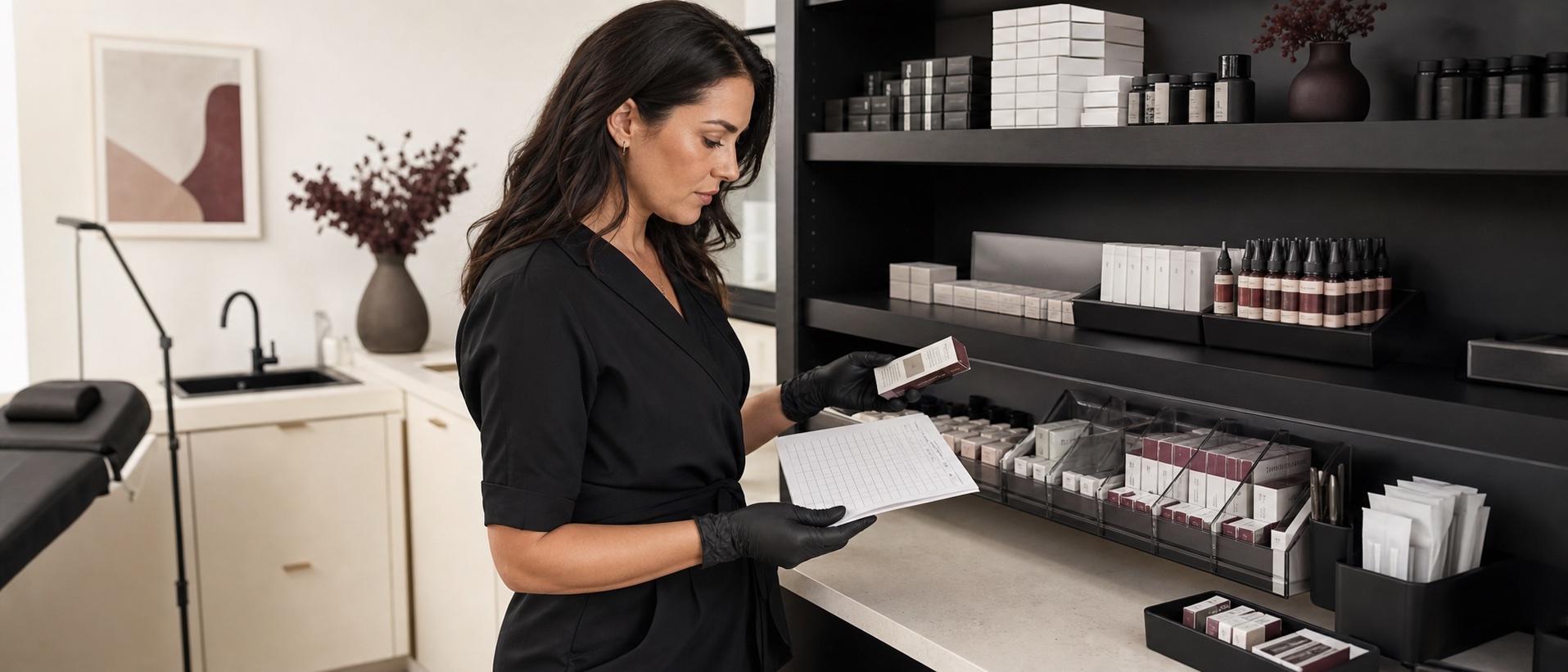
As a permanent makeup artist, your primary responsibility is not just creating beautiful brows, lips, or eyeliner, it is ensuring the absolute safety and well-being of your clients. Understanding PMU contraindications is the cornerstone of a professional, ethical, and successful practice. Knowing exactly who cannot have permanent makeup and when to confidently say no is what separates a certified professional from an amateur.
At Powdrr Academy, our accredited training places immense emphasis on health, safety, and anatomy. With substantial industry experience (ask Powdrr for current supporting evidence) and substantial practitioner experience (ask Powdrr for current supporting evidence), our our head trainer has encountered almost every medical scenario imaginable. In this comprehensive guide, we will explore the critical aspects of permanent makeup contraindications, medication interactions, and the vital importance of a thorough medical consultation.
Understanding PMU Contraindications and Client Safety
A contraindication is a specific medical condition, medication, or circumstance that makes a particular treatment inadvisable or potentially harmful. In the realm of micropigmentation, PMU safety relies heavily on identifying these factors before a needle ever touches the skin. Contraindications are generally divided into two categories: absolute and relative.
"Saying no to a client is never easy, but it is the ultimate sign of professionalism. Your integrity and the client's safety must always outweigh the desire to secure a booking. A thorough consultation is your first line of defence." - Powdrr Academy Head Trainer
If you want to master the consultation process, read our guide to building trust during PMU consultations.
Absolute Contraindications: Who Cannot Have Permanent Makeup?
Absolute contraindications mean the treatment must not be performed under any circumstances. Proceeding could result in severe health complications, poor healing, or significant legal liability.
Pregnancy and Breastfeeding
Pregnant or breastfeeding individuals are universally considered an absolute contraindication for permanent makeup. The risk of infection, though minimal in a sterile environment, poses an unacceptable threat to the foetus or infant. Furthermore, hormonal fluctuations during pregnancy can drastically alter pigment retention and colour healing, leading to unpredictable and often unsatisfactory results.
Active Skin Conditions and Infections
Any active skin condition in the treatment area, such as eczema, psoriasis, severe acne, cold sores (Herpes Simplex), or undiagnosed rashes, means the treatment must be postponed. Implanting pigment into compromised skin can exacerbate the condition, cause severe infections, and result in complete pigment loss. For lip blush treatments, clients with a history of cold sores must take prescribed antiviral medication prior to the procedure, but active outbreaks are an absolute barrier.
Autoimmune Disorders and Immunosuppression
Clients with severe autoimmune disorders (such as Lupus or Rheumatoid Arthritis) or those who are immunosuppressed (such as HIV/AIDS patients or organ transplant recipients) face a significantly higher risk of infection and delayed healing. Their immune systems may also attack the implanted pigment aggressively, leading to poor retention or unusual colour shifts.
Chemotherapy and Radiation
Individuals currently undergoing chemotherapy or radiation therapy have severely compromised immune systems and altered blood counts. Permanent makeup should only be performed before treatment begins (with oncologist approval) or several months after treatment has concluded, once blood levels have returned to normal.
Blood Thinning Medications
Medications such as Warfarin, Heparin, or high-dose Aspirin are absolute contraindications unless explicitly cleared by a medical professional. Excessive bleeding during the procedure not only makes it incredibly difficult for the artist to work but also pushes the pigment out of the skin, resulting in patchy, faded, or non-existent healed results.
Relative Contraindications: Proceeding with Caution
Relative contraindications require careful assessment. Treatment may be possible, but it often necessitates medical clearance, adjustments to the technique, or managing client expectations regarding the healed outcome.
Diabetes and Healing
Clients with well-controlled diabetes may be able to receive permanent makeup, but they must be informed that their healing process will likely be slower, and their risk of infection is slightly elevated. Uncontrolled diabetes, however, is an absolute contraindication. Always request a doctor's note for diabetic clients.
History of Keloid Scarring
If a client has a history of keloid scarring, performing PMU carries a significant risk of triggering a keloid response, particularly with techniques that cause more trauma, such as microblading. While some artists may proceed with extreme caution using gentle machine techniques (like powder brows), many insurers prohibit treating clients with a history of keloids entirely.
Accutane and Retinoid Use
Accutane (Isotretinoin) severely alters the skin's structure, making it incredibly thin, fragile, and prone to severe scarring. Clients must be off Accutane for a minimum of 6 to 12 months before receiving any PMU treatment. Topical retinoids should be discontinued in the treatment area at least four weeks prior to the procedure.
The Importance of a Comprehensive Medical History
A rigorous medical history form is non-negotiable. It is your responsibility to ask detailed questions about medications, allergies, previous surgeries, and underlying health conditions. Clients may not realise that seemingly unrelated medications, such as thyroid medication or certain supplements (like fish oil or Vitamin E), can impact bleeding and pigment retention.
During our accredited training, we teach our students how to conduct thorough, legally sound consultations. View our courses to learn more about our comprehensive curriculum.
When to Refer to a General Practitioner (GP)
If you are ever in doubt about a client's suitability for treatment, you must refer them to their General Practitioner. Do not attempt to diagnose or make medical judgements. Provide the client with a detailed letter explaining the procedure, the depth of needle penetration, and the pigments used, and request written medical clearance before proceeding.
Legal Liability and Insurance Requirements in PMU
Ignoring permanent makeup contraindications is not just unethical; it is a fast track to losing your insurance and facing legal action. Your insurance policy will explicitly outline conditions that you are not covered to treat. If you perform a procedure on a contraindicated client and a complication arises, your insurance will be void, leaving you personally liable for damages.
At Powdrr Academy, we ensure our graduates understand the legalities of the industry. Learn about Powdrr and our commitment to producing safe, highly skilled artists.
Conclusion: Prioritising PMU Safety Above All Else
Mastering PMU contraindications is essential for protecting your clients, your reputation, and your business. Knowing who cannot have permanent makeup allows you to operate with confidence and integrity. Remember, turning away an unsuitable candidate is a mark of a true professional who prioritises PMU safety above profit.
Are you ready to build a successful, ethical, and highly profitable PMU career with the UK's premier training academy? Our unique training programmes come with client-development support without guaranteed client numbers or business outcomes and ongoing support subject to the current written course terms. Apply now to discover which of our specialist pathways is right for you and take the first step towards mastering the art and science of permanent makeup.
---Frequently Asked Questions
Why is understanding PMU techniques important for PMU artists?
Pmu techniques is one of the foundational skills that separates competent PMU artists from exceptional ones. Without a solid grasp of this area, you risk delivering inconsistent results, dealing with more corrections, and limiting your earning potential. Powdrr's training covers PMU techniques in depth as part of the core curriculum.
Where can I learn more about PMU techniques?
The best way to learn PMU techniques properly is through accredited, hands-on training with experienced practitioners. Online resources can supplement your knowledge, but nothing replaces guided practical experience. Powdrr's accredited courses cover PMU techniques extensively with real-world application.
How does Powdrr teach PMU techniques?
Powdrr's approach combines theory with extensive hands-on practice. You will work with real skin types, real pigments, and real scenarios under the guidance of experienced trainers. This practical approach means you graduate with genuine confidence, not just textbook knowledge.
Want to master PMU techniques and build a successful PMU career? Take the Powdrr quiz to find the right course for you.