PMU Knowledge · 14 May 2025 · 9 min read
PMU Patch Testing: Why It Matters and How to Do It Properly
Discover why a PMU patch test is essential for client safety. Learn the definitive permanent makeup allergy test protocol for UK artists in our complete guide.
By Powdrr Academy, PMU Training Experts
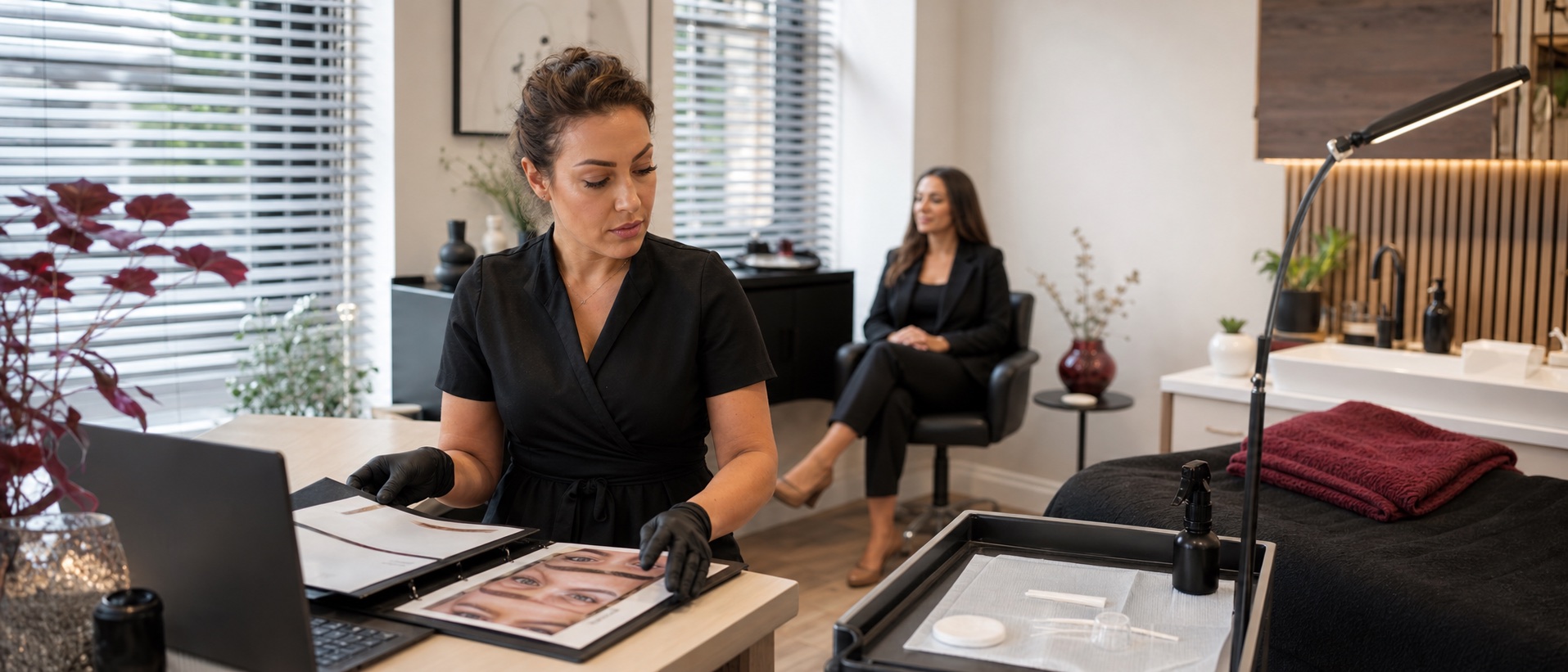
When it comes to permanent makeup (PMU), the artistry and technique often take centre stage. However, the foundation of any successful PMU treatment is unwavering client safety. One of the most critical, yet occasionally overlooked, steps in the client journey is the PMU patch test. Whether you are a newly qualified artist or a seasoned professional with years of experience, understanding and implementing a rigorous patch testing protocol is non-negotiable.

In the United Kingdom, the standards for health and safety in the beauty and aesthetics industry are stringent. A permanent makeup allergy test is not merely a recommendation; it is a fundamental requirement that protects both the client from adverse reactions and the practitioner from potential legal and insurance complications. This comprehensive guide will delve into the importance of patch testing, the common allergens involved, and the definitive patch testing protocol PMU professionals must follow to ensure the highest standards of care.
What is a PMU Patch Test?
A PMU patch test is a preliminary procedure conducted before a full permanent makeup treatment to determine if a client has any sensitivities or allergies to the products that will be used. This typically involves applying a small amount of the pigment and any topical anaesthetics (numbing creams) to a discreet area of the client's skin, usually behind the ear or on the inner crook of the elbow.
The primary objective is to observe the skin's reaction over a specified period, usually 24 to 48 hours, before proceeding with the actual treatment on more sensitive and visible areas like the eyebrows, lips, or lash line.
The Science Behind the Test
Allergic contact dermatitis is a delayed hypersensitivity reaction. When the skin is exposed to an allergen, the immune system may not react immediately. Instead, it takes time for the immune cells to recognise the substance and mount a response.
This is why a patch test must be left on the skin for an adequate duration. If a client is allergic to a component in the pigment or numbing cream, the test site will typically exhibit redness, swelling, itching, or blistering. Identifying this reaction beforehand prevents a much more severe and distressing reaction on the face.
Why is a Permanent Makeup Allergy Test Essential?
Professional PMU training environment
The necessity of a permanent makeup allergy test cannot be overstated. It serves multiple crucial functions that safeguard the entire PMU process.
Client Safety and Wellbeing
The foremost reason for conducting a PMU patch test is the health and safety of the client. PMU involves implanting pigment into the dermal layer of the skin. If a client has an allergic reaction to the pigment once it has been tattooed into the skin, the consequences can be severe.
Reactions can range from prolonged swelling and intense itching to granulomas (small nodules) and, in extreme cases, anaphylaxis. Removing pigment that has caused an allergic reaction is a complex, painful, and costly process. A simple patch test mitigates this risk almost entirely.
Legal and Insurance Requirements in the UK
In the UK, professional indemnity and public liability insurance policies for PMU artists explicitly require a patch test to be performed prior to treatment. Failure to adhere to this requirement can invalidate your insurance coverage. If a client experiences an adverse reaction and decides to take legal action, the absence of a documented patch test leaves the practitioner entirely vulnerable. Furthermore, local council licensing for tattooing and semi-permanent skin colouring often mandates strict adherence to health and safety protocols, including patch testing.
Professional Reputation
Trust is the currency of the PMU industry. Clients are entrusting you with their faces. Demonstrating a commitment to their safety by insisting on a patch test establishes you as a responsible, ethical, and highly professional artist. It reassures the client that you prioritise their wellbeing over a quick booking. Conversely, a severe allergic reaction resulting from negligence can irreparably damage your reputation and career.
"Client safety is the bedrock of our industry. A meticulous patch test is not an inconvenience; it is the ultimate expression of professional care and responsibility. At Powdrr, we instil in our students that exceptional artistry must always be matched by uncompromising safety standards." - Powdrr Academy Head Trainer
Common Allergens in PMU Pigments and Numbing Creams
To understand why a pigment allergy test is necessary, it is helpful to know what exactly clients might be reacting to.
Pigment Ingredients
Modern PMU pigments are generally formulated to be hypoallergenic and safe for use in the skin. However, they are complex mixtures of colourants, binders, and carriers.
- Iron Oxides: Historically common in PMU pigments, iron oxides are generally well-tolerated but can occasionally cause reactions.
- Organic Pigments: Many contemporary pigments use organic (carbon-based) colourants. While they offer vibrant and stable colours, some individuals may develop sensitivities to specific organic compounds.
- Preservatives and Carriers: Ingredients used to keep the pigment sterile and fluid, such as glycerin, isopropyl alcohol, or specific preservatives, can sometimes be the culprit behind an allergic reaction.
- Heavy Metals: Although strictly regulated in the UK and EU (under REACH regulations), trace amounts of heavy metals like nickel or cobalt in lower-quality pigments can trigger severe contact dermatitis.
Topical Anaesthetics
Reactions to numbing creams are arguably more common than reactions to pigments. These creams typically contain active ingredients like lidocaine, tetracaine, or benzocaine.
- Lidocaine: While widely used and generally safe, lidocaine allergies do exist and can cause localised swelling and redness.
- Epinephrine: Often added to numbing creams to constrict blood vessels and reduce bleeding, epinephrine can cause reactions in sensitive individuals.
- Base Ingredients: The creams and gels that carry the active numbing agents contain various preservatives and emulsifiers that can also cause contact dermatitis.
Ready to take the next step? Powdrr offers accredited PMU training with client-development support without guaranteed client numbers or business outcomes. Find out more about our training programmes.
The Ultimate Patch Testing Protocol PMU Professionals Should Follow
Ongoing support and guidance
Establishing a robust patch testing protocol PMU artists can rely on is essential for consistency and safety. Here is a comprehensive guide to performing the test correctly.
When to Perform the Test
The patch test must be conducted at least 24 to 48 hours before the scheduled PMU procedure. For clients with a known history of severe allergies or sensitive skin, it is advisable to perform the test even earlier, up to a week in advance, to allow for any delayed reactions to manifest.
Step-by-Step Guide to Patch Testing
- Consultation and Consent: Before performing the test, explain the procedure to the client and why it is necessary. Have them sign a consent form specifically for the patch test.
- Preparation: Cleanse the test area thoroughly with an alcohol wipe or a gentle, sterile cleanser. The most common areas are behind the ear or the inner forearm.
- Application of Numbing Cream: Apply a small dab of the exact topical anaesthetic you intend to use during the procedure. Use a sterile micro-brush or cotton swab.
- Application of Pigment: Using a separate sterile applicator, apply a small amount of the chosen pigment next to the numbing cream.
- Scratch Test (Optional but Recommended): For a more accurate pigment allergy test, some professionals perform a 'scratch test'. This involves using a sterile lancet or a single acupuncture needle to make a tiny, superficial scratch on the skin before applying the pigment. This mimics the tattooing process by allowing the pigment to enter the upper layers of the skin.
- Sealing the Area: Cover the test sites with a small, hypoallergenic plaster or medical tape to prevent the products from rubbing off on clothing.
- Instructions to the Client: Instruct the client to leave the plaster on for at least 24 hours (unless a reaction occurs sooner). They should avoid getting the area excessively wet and should not scrub it.
- Normal: The skin should look exactly as it did before the test. There may be a slight stain from the pigment, but there should be no change in the skin's texture or colour beneath the stain.
- Allergic Reaction: Signs of a positive (allergic) reaction include:
- Redness (erythema) spreading beyond the immediate test site.
- Swelling or raised bumps (oedema).
- Intense itching or burning sensation.
- Blistering or weeping of the skin.
- Discover Your Potential: Take our quick PMU career quiz to see if you have what it takes to succeed in this lucrative industry.
- Explore Our Courses: View our comprehensive pricing and course options, including our accredited training with client-development support without guaranteed client numbers or business outcomes.
- Learn About Us: Find out more about the academy and why The Powdrr Standard is the trusted benchmark for aspiring PMU artists across the UK.
- Expand Your Knowledge: Read more expert insights and industry tips on our blog.
Documenting the Results
Documentation is just as important as the test itself. Record the date, time, specific products used (including brand and batch numbers), and the location of the test on the client's consultation form. Have the client sign to confirm the test was performed.
How to Interpret a Pigment Allergy Test
Once the testing period has elapsed, the client must report the results back to you. Ideally, they should return to the clinic for you to inspect the area, but a clear photograph can suffice if they live far away.
Normal Reactions vs. Allergic Reactions
What to Do if a Client Reacts
If a client experiences any of the symptoms of an allergic reaction, instruct them to remove the plaster immediately, wash the area thoroughly with mild soap and water, and apply a soothing cream or an over-the-counter antihistamine cream if necessary.
Crucially, you must not proceed with the PMU treatment. If they reacted to the numbing cream, you might explore alternative anaesthetics (and patch test those). If they reacted to the pigment, it is unsafe to perform the procedure. Document the reaction meticulously in their file.
Educating Your Clients About the PMU Patch Test
Clients may sometimes view the patch test as an inconvenience, especially if they are eager to have their brows or lips done immediately. It is your responsibility to educate them on its importance.
Managing Expectations
During the initial enquiry, make it clear that a patch test is a mandatory part of your booking process. Explain that this policy is in place strictly for their safety and wellbeing. A professional approach to this requirement often increases the client's confidence in your services.
Pre-Treatment Advice
Provide clients with clear written instructions on how to care for the patch test site and what signs to look out for. Encourage open communication and assure them that they can contact you if they have any concerns during the testing period.
Considering a career in PMU? Powdrr's accredited training programme covers everything from technique to business building. Take the quiz to find your perfect course.
Advanced Considerations for Experienced Artists
Even seasoned professionals must remain vigilant about patch testing. Complacency is the enemy of safety.
Changing Pigment Brands
If you decide to switch to a new brand of pigments or a different formulation of numbing cream, you must patch test your existing clients again before their next top-up appointment. Never assume that because a client was fine with Brand A, they will automatically be fine with Brand B.
Clients with a History of Allergies
Clients who report a history of severe allergies, asthma, eczema, or reactions to conventional makeup require extra caution. In these cases, a prolonged patch test (e.g., 5-7 days) or a consultation with their GP or a dermatologist may be advisable before proceeding.
The Powdrr Approach to Client Safety
At Powdrr, a UK PMU training provider, we believe that exceptional technical skill must be underpinned by an exhaustive understanding of health, safety, and client care. Our accredited training programmes are designed to produce not just talented artists, but responsible and highly professional practitioners.
With substantial industry experience (ask Powdrr for current supporting evidence) and substantial practitioner experience (ask Powdrr for current supporting evidence), The Powdrr Standard ensures that every student masters the critical protocols that safeguard their clients and their careers. We teach our students that a rigorous patch testing protocol PMU is the hallmark of a true professional. Our ongoing support under the current written course terms helps ensure that as industry standards evolve, our graduates remain at the forefront of best practices.
Conclusion
The PMU patch test is a small step that prevents monumental problems. It is the definitive safeguard against adverse reactions, legal liabilities, and reputational damage. By implementing a strict permanent makeup allergy test protocol, you demonstrate a profound respect for your clients' health and a commitment to the highest standards of the PMU profession. Never compromise on safety; it is the foundation upon which a successful and enduring PMU career is built.
Elevate Your PMU Career with Powdrr
Are you ready to master the art and science of permanent makeup? Whether you are starting your journey or looking to elevate your existing skills, Powdrr Academy provides the gold standard in PMU education.
Your journey to becoming a confident, highly skilled, and safety-conscious PMU professional starts with Powdrr.
Frequently Asked Questions
Why is understanding patch testing important for PMU artists?
Patch testing is one of the foundational skills that separates competent PMU artists from exceptional ones. Without a solid grasp of this area, you risk delivering inconsistent results, dealing with more corrections, and limiting your earning potential. Powdrr's training covers patch testing in depth as part of the core curriculum.
Where can I learn more about patch testing?
The best way to learn patch testing properly is through accredited, hands-on training with experienced practitioners. Online resources can supplement your knowledge, but nothing replaces guided practical experience. Powdrr's accredited courses cover patch testing extensively with real-world application.
How does Powdrr teach patch testing?
Powdrr's approach combines theory with extensive hands-on practice. You will work with real skin types, real pigments, and real scenarios under the guidance of experienced trainers. This practical approach means you graduate with genuine confidence, not just textbook knowledge.
Want to master patch testing and build a successful PMU career? Take the Powdrr quiz to find the right course for you.