Training & Career · 14 May 2025 · 11 min read
PMU Pricing Strategies: What to Charge and How to Raise Your Prices
Discover effective PMU pricing strategies, how to structure your PMU price list UK, and the exact steps to confidently raise your permanent makeup prices.
By Powdrr Academy, PMU Training Experts
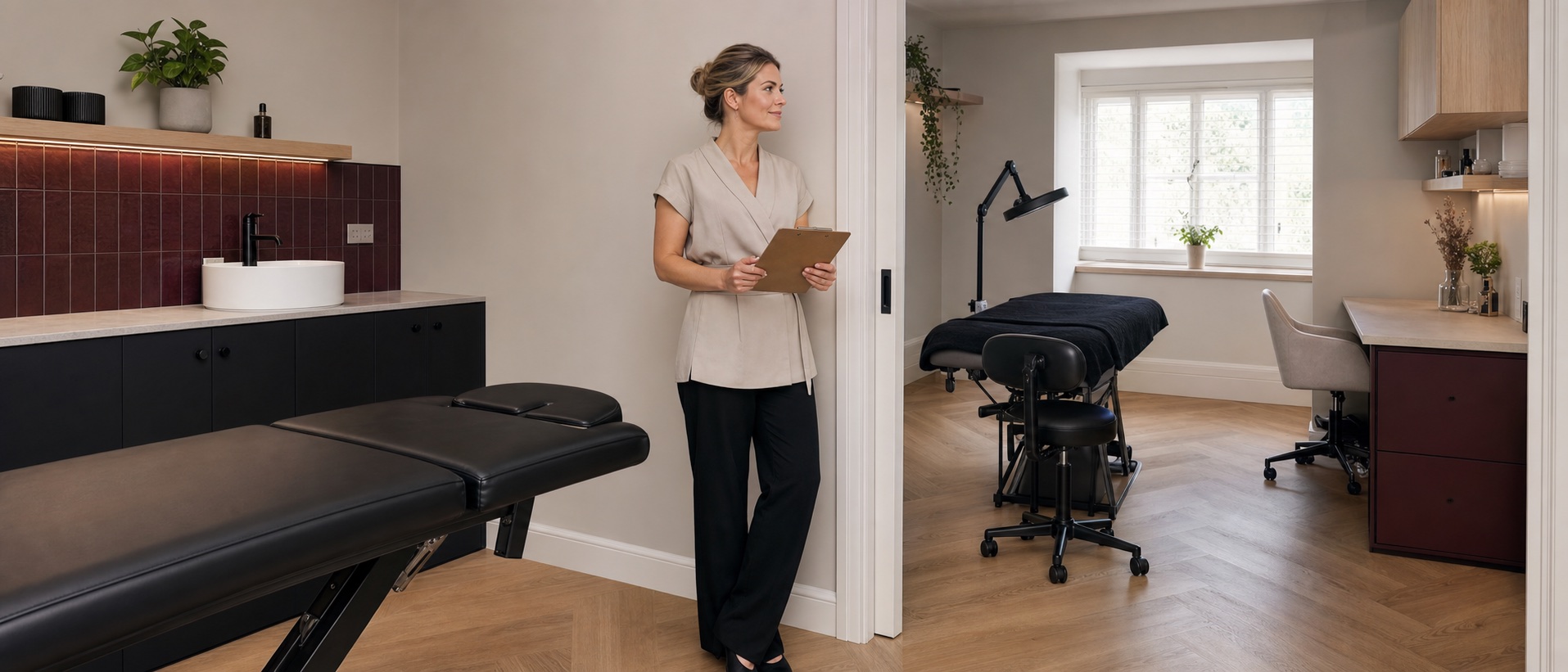
Setting the right prices for your permanent makeup services is one of the most challenging and critical aspects of running a successful PMU business. Whether you are newly qualified and stepping into the industry for the first time, or an experienced artist looking to scale your clinic, understanding PMU pricing is essential for long-term profitability, sustainability, and professional growth.
In the UK, the permanent makeup industry is booming, experiencing unprecedented growth year on year. However, with increased demand comes increased competition. Many artists struggle with what to charge for permanent makeup, often underpricing their services out of fear of losing clients to cheaper competitors. Unfortunately, pricing yourself too low can lead to rapid burnout, attract the wrong demographic of clientele, and ultimately devalue your hard-earned expertise.
In this comprehensive, in-depth guide, we will explore effective PMU pricing strategies, how to structure your PMU price list UK, the psychology behind premium pricing, and the exact steps you need to take when raising PMU prices without losing your loyal client base.
Understanding the True Cost of Your PMU Services
Before you can accurately determine what to charge for permanent makeup, you must first have a crystal-clear understanding of your business costs. Many artists make the fundamental mistake of looking at what local competitors are charging and simply matching or undercutting their prices. This is a deeply flawed strategy because your competitor's overheads, experience level, financial goals, and target market are entirely different from yours.
To establish a profitable and sustainable PMU pricing structure, you need to meticulously calculate both your fixed and variable costs.
Fixed Costs
Fixed costs are the regular expenses you incur regardless of how many treatments you perform in a given month. These are the baseline costs of keeping your business operational. They include:
- Clinic or Salon Rent: Whether you rent a room, a chair, or own a full clinic space, this is often your largest fixed expense.
- Business Insurance and Licensing: Comprehensive insurance and local council special treatments licensing are non-negotiable legal requirements in the UK.
- Marketing and Software: Website hosting, booking systems (like Timely or Fresha), accounting software, and social media scheduling tools.
- Utilities and Broadband: Electricity, water, heating, and internet services required to run your clinic.
- Professional Fees: Accountant fees, legal advice, and professional memberships.
Variable Costs
Variable costs fluctuate directly depending on the number of clients you treat. In the PMU industry, these typically include:
- Consumables: High-quality pigments, sterile single-use needles, and cartridges.
- PPE and Hygiene: Gloves, masks, aprons, couch rolls, barrier film, and clinical waste disposal.
- Pre and Post-Care: Numbing creams, aftercare balms, and printed aftercare instruction leaflets.
- Cleaning Supplies: Hospital-grade disinfectants, sterilisation pouches, and general cleaning materials.
- Client Experience: Refreshments, consultation forms, and branded packaging.
Once you have calculated your total monthly costs, you can determine your break-even point. This is the absolute minimum amount you need to earn to cover your expenses before making a single penny of profit. Only when you know this number can you begin to set a realistic, profitable PMU price list UK that ensures you are actually making money, not just covering costs.
Key Factors Influencing PMU Pricing
Professional PMU training environment
When deciding what to charge for permanent makeup, several variables come into play. Your pricing should reflect the comprehensive value you provide, not just the physical time it takes to complete a treatment.
1. Experience, Expertise, and Education
Your level of experience is arguably the most significant factor in your PMU pricing. A newly qualified artist cannot expect to charge the same premium rates as an industry veteran with thousands of treatments under their belt. However, this absolutely does not mean you should work for free or at a loss. As you gain experience, complete advanced masterclasses, and build a strong, consistent portfolio, your prices should naturally and steadily increase to reflect your enhanced skill set. Continuous professional development is an investment that directly increases your earning potential.
2. Location and Demographics
Where your clinic is geographically based will heavily influence your PMU price list UK. Artists working in central London, affluent suburbs, or high-end commercial districts can typically command significantly higher prices than those operating in smaller towns or rural locations. It is crucial to research your local demographic, understand the average income in your area, and gauge what your target market is willing and able to pay for premium cosmetic procedures.
3. Quality of Products and Equipment
The tools, machines, and products you use directly impact your healed results and, consequently, your pricing. High-quality, stable pigments, state-of-the-art digital machines, and premium aftercare products cost more to purchase but yield vastly superior, longer-lasting results. Today's clients are increasingly educated about the PMU process; they research pigment brands and machine types, and they are willing to pay a premium for artists who refuse to compromise on safety and quality.
4. The Client Experience and Clinic Environment
Pricing is not just about the treatment itself; it encompasses the entire client journey from start to finish. From the moment a client lands on your beautifully designed website to the aftercare support they receive weeks later, every single touchpoint should exude professionalism, safety, and luxury. A seamless online booking process, a pristine and aesthetically pleasing clinic space, comfortable treatment beds, and exceptional customer service all contribute heavily to the perceived value of your services, allowing you to confidently justify higher PMU pricing.
"Your pricing should always reflect the transformation and confidence you provide, not just the ink and needles. When you invest in top-tier training and deliver exceptional results, clients will happily pay for your expertise. Never apologise for charging what you are worth." - Powdrr Academy Head Trainer
How to Structure Your PMU Price List UK
Creating a clear, transparent, and easy-to-understand price list is vital for converting inquiries into confirmed bookings. Confusing, overly complex pricing structures can frustrate and deter potential clients. Here are some highly effective strategies for structuring your PMU price list UK.
Tiered Pricing Models
If you run a clinic with multiple artists, or if you are planning to expand your team, tiered pricing is an excellent strategy. You can offer different price points based on the individual artist's experience level (e.g., Junior Artist, Senior Artist, Master Artist, Clinic Director). This caters to a broader range of client budgets while simultaneously highlighting the premium value and expertise of your most experienced practitioners.
Package Deals and Bundling
Encourage clients to book multiple treatments by offering strategically priced package deals. For example, you might offer a slight, attractive discount when a client books both ombre powder brows and a lip blush treatment together. This significantly increases your average order value, fills your diary more efficiently, and provides the client with a comprehensive makeover experience.
The Top-Up Debate: Included vs. Separate
One of the most common debates in PMU pricing is whether to include the mandatory 4-6 week top-up (perfecting session) in the initial price or to charge for it separately.
Including the top-up in the initial upfront cost ensures that clients return to complete the treatment. This is crucial because PMU is a two-step process, and ensuring the client returns results in better healed work and a stronger portfolio for you. It also simplifies the pricing for the client, as there are no hidden costs down the line. Conversely, charging separately can make the initial price appear lower and more accessible, but you run the risk of clients skipping the essential second session. For premium positioning, an all-inclusive price is generally recommended.
Annual Colour Boosts and Maintenance
Maintaining permanent makeup requires regular colour boosts to keep the pigment looking fresh and vibrant. Structure your pricing to actively reward loyal clients who return within the recommended 12-18 month timeframe. For example, an annual colour boost should be priced significantly lower than a brand-new set of brows. This encourages client retention, builds long-term relationships, and provides your business with a highly predictable stream of recurring revenue.
Ready to take the next step? Powdrr offers accredited PMU training with client-development support without guaranteed client numbers or business outcomes. Find out more about our training programmes.
The Psychology of Premium Pricing
Ongoing support and guidance
Understanding the psychology behind pricing can help you position your services much more effectively. The way you present your prices and yourself can significantly impact a client's perception of your value.
Value-Based Pricing vs. Time-Based Pricing
Instead of pricing based purely on the two or three hours it takes to complete a treatment, focus entirely on value-based pricing. You are not just selling a block of your time; you are selling confidence, daily convenience, time saved in the morning, and a long-term solution to a client's specific problem (such as sparse, asymmetrical brows or pale, undefined lips). When you effectively communicate the life-changing, emotional benefits of permanent makeup, the financial cost becomes secondary to the immense value provided.
The Premium Positioning Strategy
Positioning yourself as a premium, high-end artist means deliberately setting your prices at the higher end of your local market. This strategy naturally attracts a different calibre of client, those who value exceptional quality, safety, and artistry over finding the cheapest deal. Premium clients are generally more respectful of your time, follow aftercare instructions diligently, and are less likely to haggle or complain. Furthermore, premium pricing allows you to work with fewer clients while maintaining a high, sustainable income. This reduces the physical strain on your body, prevents burnout, and allows you to dedicate maximum time, focus, and attention to each individual client.
Dealing with Price Shoppers
Every PMU artist will encounter "price shoppers" - potential clients who message simply asking, "How much for brows?" without any regard for your portfolio or expertise. It is vital not to let these inquiries dishearten you or tempt you to lower your prices. Respond professionally, direct them to your comprehensive website where your value is clearly explained alongside your pricing, and let them go if they are only looking for a bargain. Competing on price is a race to the bottom; competing on quality and experience is how you build a legacy brand.
Raising PMU Prices: When and How to Do It
Many artists are absolutely terrified of raising PMU prices, paralysed by the fear that their clients will abandon them for a cheaper competitor down the road. However, regular, strategic price increases are a normal, healthy, and necessary part of running a successful business. Inflation, rising product costs, and your continually growing expertise all completely justify a price hike.
Clear Signs It Is Time to Raise Your Prices
- You are consistently fully booked: If your diary is full weeks or even months in advance, and you are regularly turning away new clients or operating a long waitlist, your demand has officially exceeded your supply. This is the most obvious and perfect time to increase your prices.
- You have invested in advanced education: Whenever you upgrade your skills, learn a new cutting-edge technique, or attend an international masterclass, your intrinsic value increases. Your pricing must reflect this new, elevated level of expertise.
- Your operational costs have increased: If your rent, insurance premiums, or the cost of your preferred pigments and cartridges have gone up, you must adjust your prices accordingly to maintain your profit margins. Absorbing these costs yourself is bad business practice.
- You are attracting the wrong demographic: If you are constantly dealing with difficult clients who haggle, arrive late, complain, or fail to appreciate the artistry of your work, your prices are likely too low. Raising your prices acts as a highly effective filter, naturally attracting clients who respect your time, value your expertise, and are a joy to work with.
How to Communicate a Price Increase Professionally
When raising PMU prices, clear, professional communication is key. You must handle the transition delicately to maintain trust, transparency, and loyalty with your existing client base.
- Give Plenty of Advance Notice: Never spring a price increase on a client when they are standing at the till after their appointment. Give at least 4 to 6 weeks' public notice before the new prices officially take effect.
- Explain the 'Why' with Confidence: Be transparent but professional about why your prices are increasing. You can mention rising business costs, significant investments in new, safer technology, or recent advanced training you have undertaken to serve them better. Clients who value you will appreciate your honesty and your dedication to constantly improving your services.
- Reward Your Loyal Clients: Consider offering your existing, loyal clients a grace period. For example, allow them to book their next annual colour boost at the current, lower rate, provided they book and pay a deposit before the new prices apply. This shows immense appreciation for their ongoing loyalty and creates a sense of urgency that encourages immediate bookings.
- Update All Platforms Simultaneously: Ensure your new PMU price list UK is updated at the exact same time across your website, social media highlights, booking system, and printed materials to avoid any confusion, discrepancies, or awkward conversations.
- Take our interactive career quiz to find out if you have what it takes to succeed in the lucrative PMU industry.
- Explore our comprehensive training courses and pricing to find the perfect programme tailored to your specific goals.
- Learn more about Powdrr Academy and our unwavering commitment to excellence and student success.
- Read more expert advice, tips, and industry insights on our blog.
Overcoming the Fear of Charging Your Worth
Imposter syndrome is incredibly common in the permanent makeup industry, even among highly experienced artists. Many talented practitioners doubt their abilities, compare themselves unfairly to Instagram highlight reels, and undercharge as a result. Overcoming this deep-seated fear is absolutely essential for your personal wellbeing and your business growth.
Always remember that clients are not just paying for the pigment deposited in their skin. They are paying for your months or years of rigorous training, your meticulous attention to detail, your strict adherence to hygiene and safety standards, your artistic eye, and the profound peace of mind that comes with knowing they are in safe, capable hands.
When you confidently state your prices without hesitation, justification, or apology, clients will instinctively trust your authority. If a potential client tells you that you are too expensive, they are simply not your target market. Do not lower your standards, compromise your products, or slash your prices to accommodate them. Instead, double down on your marketing efforts to attract the clients who recognise, appreciate, and are more than willing to pay for premium quality.
Considering a career in PMU? Powdrr's accredited training programme covers everything from technique to business building. Take the quiz to find your perfect course.
Elevate Your PMU Career with Powdrr Academy
Mastering PMU pricing strategies is just one crucial aspect of building a thriving, profitable permanent makeup business. To truly succeed, stand out in a crowded market, and confidently command premium prices, you need world-class training, unwavering ongoing support, and a deep, comprehensive understanding of both the technical artistry and the business mechanics of the industry.
At Powdrr, a UK PMU training provider, we provide accredited training that is meticulously designed to turn complete beginners into highly sought-after, confident, and profitable artists. Built on The Powdrr Standard, our comprehensive programmes cover everything from flawless, modern techniques to advanced business mastery.
We don't just teach you how to create beautiful permanent makeup; we teach you how to build a highly profitable, sustainable, and scalable business. With our client-development support without guaranteed client numbers or business outcomes and unparalleled ongoing support subject to the current written course terms, you will have the continuous support and guidance you need to confidently set your prices, attract your ideal premium clients, and scale your clinic to new heights.
Ready to take the next step in your PMU journey and build the business of your dreams?
Invest in your education, truly value your expertise, and watch your PMU business thrive.
Frequently Asked Questions
Why is understanding PMU techniques important for PMU artists?
Pmu techniques is one of the foundational skills that separates competent PMU artists from exceptional ones. Without a solid grasp of this area, you risk delivering inconsistent results, dealing with more corrections, and limiting your earning potential. Powdrr's training covers PMU techniques in depth as part of the core curriculum.
Where can I learn more about PMU techniques?
The best way to learn PMU techniques properly is through accredited, hands-on training with experienced practitioners. Online resources can supplement your knowledge, but nothing replaces guided practical experience. Powdrr's accredited courses cover PMU techniques extensively with real-world application.
How does Powdrr teach PMU techniques?
Powdrr's approach combines theory with extensive hands-on practice. You will work with real skin types, real pigments, and real scenarios under the guidance of experienced trainers. This practical approach means you graduate with genuine confidence, not just textbook knowledge.
Want to master PMU techniques and build a successful PMU career? Take the Powdrr quiz to find the right course for you.