PMU Knowledge · 14 May 2025 · 11 min read
PMU Touch-Ups: When You Need Them and What to Expect
Discover why PMU touch-ups are essential for perfect, long-lasting results. Learn when to schedule your permanent makeup top up and what to expect.
By Powdrr Academy, PMU Training Experts
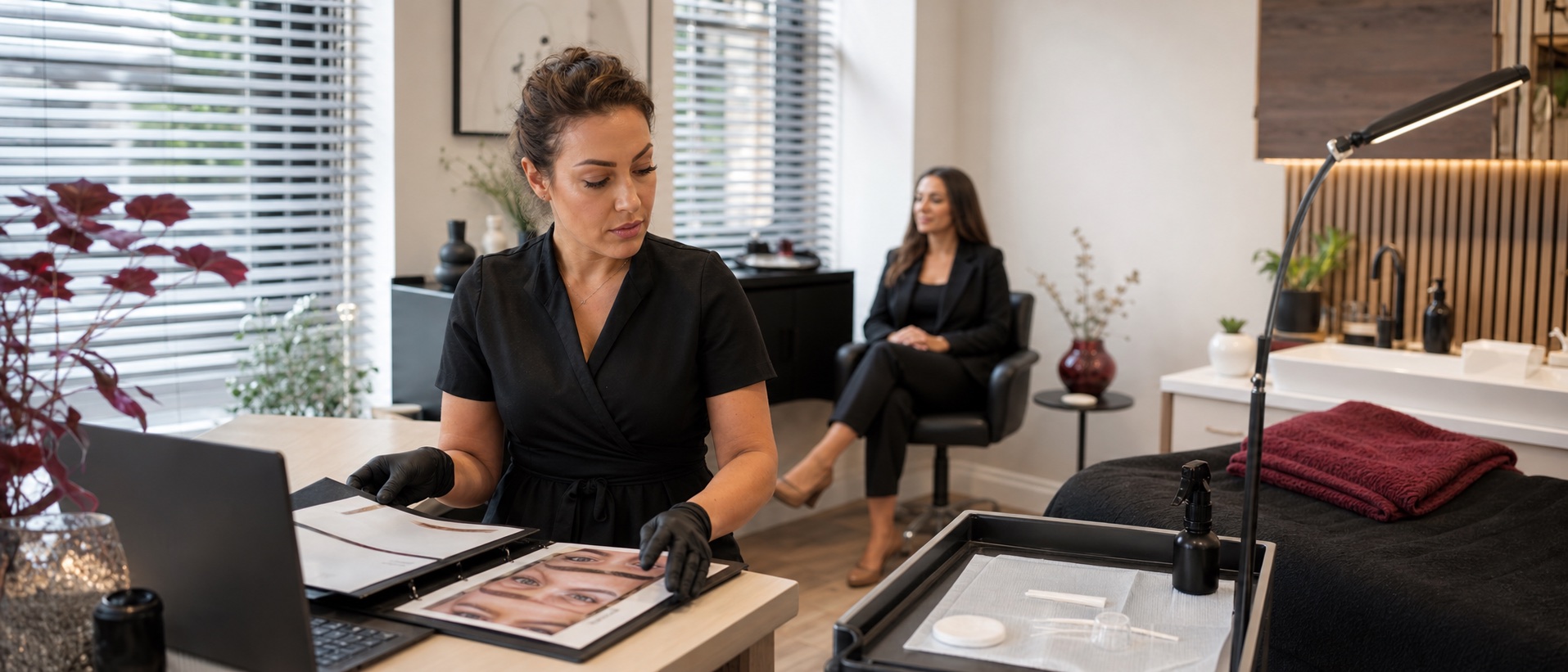
Permanent makeup (PMU) has revolutionised the beauty industry, offering clients the luxury of waking up with perfectly defined brows, lips, and eyeliner every single day. However, achieving and maintaining these flawless results is rarely a one-step process. Whether you are a client seeking to understand your treatment journey or an aspiring artist looking to master the intricacies of the craft, understanding the vital role of PMU touch-ups is essential.
At Powdrr, a UK PMU training provider, we emphasise to all our students that the initial treatment is only the foundation. The true artistry and long-lasting perfection are often achieved during the touch-up phase. In this comprehensive guide, we will explore exactly what a PMU touch up entails, why a permanent makeup top up is necessary, when to schedule your appointments, and what to expect during a PMU refresh appointment.
Understanding the PMU Healing Process
To fully grasp why a PMU touch up is necessary, one must first understand the healing process of permanent makeup. When pigment is implanted into the dermal layer of the skin, the body naturally responds to it as a foreign substance. The immune system works to heal the micro-trauma caused by the needle, which involves a complex process of scabbing, peeling, and cellular regeneration.
During the first few weeks following a procedure, the colour will often appear significantly darker and bolder than the intended final result. As the skin heals and the superficial layers shed, the pigment will soften and lighten. It is entirely normal for the colour to fade by up to 40% to 50% during this initial healing phase. Furthermore, the skin may heal unevenly, leading to patchy areas or slight asymmetries.
The Initial Treatment vs. The Touch-Up
The initial PMU appointment is about laying the groundwork. The artist maps the shape, selects the initial pigment blend, and implants the colour conservatively. It is always better to apply too little pigment than too much, as adding colour is straightforward, but removing it is incredibly difficult.
The touch-up appointment, often referred to as the perfecting session, is where the magic truly happens. Once the skin has fully healed, the artist can assess how the pigment has settled, how the skin has retained the colour, and make any necessary adjustments to ensure a flawless, long-lasting result.
Why Are PMU Touch-Ups Necessary?
Professional PMU training environment
Many clients wonder if they can skip the touch-up if their brows or lips look acceptable after the first session. However, skipping this crucial step can compromise the longevity and overall quality of the permanent makeup. Here is why a permanent makeup top up is an indispensable part of the process.
Perfecting the Colour and Shape
Skin is a living, breathing organ, and its response to pigment is not always entirely predictable. Factors such as undertones, skin thickness, and natural melanin can influence how a colour heals. During the touch-up, the artist can evaluate the healed colour. If the pigment has healed too cool or too warm, they can modify the shade to achieve the perfect match.
Additionally, as the skin heals and swelling subsides, minor adjustments to the shape may be required. The touch-up allows the artist to refine the edges, add crispness to hair strokes, or enhance the definition of a lip blush, ensuring absolute symmetry and precision.
Addressing Uneven Retention
Uneven pigment retention is a common occurrence, particularly for clients with oily skin, large pores, or those who bleed slightly more during the procedure. The body's lymphatic system may push out more pigment in certain areas, leaving behind lighter patches. The PMU touch up is designed specifically to address these inconsistencies, filling in any gaps and ensuring an even, saturated finish across the entire treated area.
"The touch-up is where the true masterpiece is completed. The first session is our canvas preparation, but the perfecting session is where we refine the details, adjust the tone, and ensure the longevity that our clients expect. It is the hallmark of a professional, high-quality PMU treatment." - Powdrr Academy Head Trainer
When to Get a PMU Touch-Up
Timing is everything when it comes to permanent makeup. Scheduling your appointments at the correct intervals ensures optimal healing and the best possible results. There are generally two types of touch-ups: the essential perfecting session and the long-term colour boost.
The Essential 4-8 Week Top-Up
The first and most critical touch-up should occur between 4 to 8 weeks after the initial procedure. Why this specific timeframe? The skin requires approximately 28 to 30 days to complete a full cellular turnover cycle. Attempting to perform a touch-up before the skin has fully healed can cause excessive trauma, leading to scarring and poor pigment retention.
Waiting until the 4 to 8-week mark ensures that the skin is strong, healthy, and ready to receive additional pigment. This is the appointment where the artist will perfect the shape, adjust the colour, and fill in any patchy areas. For most clients, this two-step process is sufficient to achieve their desired look.
Annual Colour Boosts and Refresh Appointments
Permanent makeup is designed to fade gradually over time. Unlike traditional body tattoos, which use heavy inks implanted deep into the skin, PMU utilises specialized pigments implanted more superficially. This allows the colour to soften naturally, preventing the harsh, discoloured look often associated with older tattooing techniques.
To maintain the vibrancy and definition of your permanent makeup, an annual PMU refresh appointment is highly recommended. Depending on your skin type, lifestyle, and the specific technique used, you may need a colour boost every 12 to 18 months.
When deciding when to get PMU touch up for a colour boost, look for signs of significant fading. If you find yourself needing to fill in your brows with makeup daily, or if the colour has lost its warmth and vibrancy, it is time to schedule a refresh.
Ready to take the next step? Powdrr offers accredited PMU training with client-development support without guaranteed client numbers or business outcomes. Find out more about our training programmes.
The Science of Pigment Retention
Ongoing support and guidance
To truly appreciate the necessity of a permanent makeup top up, it is beneficial to delve into the science of how pigment interacts with the human body. The dermal layer of the skin, where PMU pigment is deposited, is a dynamic environment. Macrophages, which are a type of white blood cell, immediately rush to the site of the micro-trauma caused by the tattooing needle. Their primary function is to engulf and remove foreign particles, in this case, the pigment.
While some pigment particles are successfully carried away through the lymphatic system, others are too large for the macrophages to process. These larger particles remain trapped in the dermal matrix, creating the visible colour of your permanent makeup. Over time, however, the body continues its subtle attempts to break down these particles. This ongoing biological process, combined with external environmental factors, is precisely why a PMU refresh appointment becomes necessary to replenish the pigment that the body has naturally metabolised.
Factors Affecting PMU Retention
Understanding the factors that influence how long your permanent makeup lasts can help you manage your expectations and take better care of your investment. Several variables dictate the longevity of PMU and how frequently you will require a permanent makeup top up.
Skin Type and Texture
Skin type plays a monumental role in pigment retention. Clients with normal to dry skin typically experience the best retention, with crisp hair strokes and vibrant colours lasting significantly longer. The lack of excess sebum allows the pigment to settle undisturbed.
Conversely, clients with oily skin or enlarged pores may find that their PMU fades more quickly. The natural oils produced by the skin can dilute the pigment and cause hair strokes to blur or expand over time. For oily skin types, techniques such as Ombré Powder Brows often yield better, longer-lasting results than microblading, and more frequent touch-ups may be necessary.
Lifestyle and Sun Exposure
Your daily habits and environment heavily impact the lifespan of your permanent makeup. Sun exposure is the number one culprit for premature fading and colour alteration. UV rays break down the chemical bonds in the pigment, causing it to lighten and potentially shift in tone (often turning ashy or grey).
Clients who spend a significant amount of time outdoors, use sunbeds, or live in sunny climates will likely require a PMU refresh appointment more frequently. Additionally, lifestyle factors such as excessive sweating from intense workouts, frequent swimming in chlorinated pools, or regular use of saunas can accelerate the fading process.
Skincare Routine and Products
The products you apply to your face can either protect or degrade your permanent makeup. Active ingredients designed to exfoliate the skin, promote cellular turnover, or lighten pigmentation will inevitably affect your PMU.
Products containing Retinol, Vitamin C, Alpha Hydroxy Acids (AHAs), Beta Hydroxy Acids (BHAs), and physical exfoliants should be kept well away from the treated areas. Continuous use of these ingredients over your brows or lips will strip the pigment, necessitating an early touch-up.
Different Techniques and Their Touch-Up Requirements
Not all permanent makeup procedures are created equal, and the specific technique you choose will influence your touch-up schedule.
Microblading vs. Ombré Powder Brows
Microblading involves creating delicate, hair-like strokes using a manual hand tool. Because the pigment is implanted in very fine lines, it tends to fade faster than other methods. Clients with microblading often require a PMU refresh appointment every 9 to 12 months to keep the strokes looking crisp.
Ombré Powder Brows, on the other hand, use a digital machine to create a soft, shaded effect that mimics the look of conventional makeup. This technique implants pigment more densely across the brow area, resulting in superior longevity. Clients with powder brows can often wait 18 to 24 months before needing a permanent makeup top up.
Lip Blush and Eyeliner
Lip blush treatments require careful layering of pigment to achieve a seamless, natural tint. The lips are highly vascular and prone to swelling, which can lead to significant pigment loss during the initial healing phase. A 6-week touch-up is absolutely essential for lip blush to ensure even saturation. Once perfected, lip blush can last anywhere from 2 to 3 years before a refresh is needed.
Permanent eyeliner typically boasts the longest retention of all PMU procedures. The skin on the eyelids is thin and retains pigment exceptionally well. While the initial 4 to 8-week touch-up is still necessary to perfect the line, clients may not need a colour boost for 3 to 5 years.
Considering a career in PMU? Powdrr's accredited training programme covers everything from technique to business building. Take the quiz to find your perfect course.
How to Prepare for Your Touch-Up Appointment
Preparation is just as important for your touch-up as it is for your initial appointment. To ensure the best possible outcome, follow these essential pre-care guidelines:
- Avoid Blood Thinners: Refrain from consuming alcohol, caffeine, aspirin, or ibuprofen for at least 24 hours prior to your appointment. These substances thin the blood, which can lead to excessive bleeding and poor pigment retention.
- Pause Active Skincare: Stop using Retinol, AHAs, and BHAs around the treated area at least two weeks before your touch-up.
- Protect Your Skin from the Sun: Avoid excessive sun exposure and tanning beds for at least two weeks prior. Sunburned or tanned skin is inflamed and will not retain pigment effectively.
- Plan Your Schedule: Remember that you will need to follow the same aftercare protocol as your first session. Avoid scheduling your touch-up right before a sunny holiday, a major event, or a period of intense physical activity.
- Sun Protection is Non-Negotiable: Once your PMU has fully healed, apply a high-quality, broad-spectrum SPF to the treated areas every single day. This is the most effective way to prevent premature fading and colour shifting.
- Avoid Harsh Skincare on the Area: Be mindful when applying your nightly skincare routine. Create a barrier around your brows or lips to ensure that active ingredients like Retinol or Glycolic Acid do not come into contact with the pigment.
- Keep the Skin Hydrated: Healthy, moisturised skin retains pigment better than dry, flaky skin. Use a gentle, non-comedogenic moisturiser to keep the area hydrated.
- Follow Aftercare Strictly: The way you care for your PMU during the initial healing phase dictates how it will look for the next year. Never pick, scratch, or prematurely remove scabs, as this will pull the pigment directly out of the skin.
- Discover Your Potential: Take our quick career quiz to find out which PMU training path is right for you and apply for our upcoming courses.
- Explore Our Programmes: View our comprehensive course details and pricing to see how we can help you achieve your professional goals.
- Learn More About Us: Read about Powdrr Academy, client-development support without guaranteed client numbers or business outcomes, and our commitment to ongoing support subject to the current written course terms.
- Expand Your Knowledge: Visit our blog for more industry insights, expert tips, and educational resources.
What to Expect During Your PMU Refresh Appointment
If you are preparing for your first permanent makeup top up or an annual colour boost, you may be wondering how the experience differs from your initial session. Generally, a touch-up is a quicker and more straightforward process.
The Consultation and Assessment
The appointment will begin with a thorough consultation. Your artist will examine the healed results, discussing what you love and any areas you feel need improvement. They will assess the colour retention, noting any shifts in tone, and evaluate the symmetry and shape.
This is the time to communicate openly. If you wish to go slightly darker, thicker, or warmer in tone, your artist can make those adjustments during this session.
The Procedure and Aftercare
The actual tattooing process during a PMU touch up is typically much shorter than the initial appointment, as the foundational shape is already in place. The artist will focus only on the areas that require additional pigment or refinement.
Because the procedure is less extensive, many clients report experiencing less discomfort and swelling during a touch-up. However, the aftercare protocol remains exactly the same. You must follow your artist's instructions diligently, keeping the area clean, dry, and protected while it heals for a second time.
Common Myths About PMU Touch-Ups
In the world of permanent makeup, misinformation can easily spread. Let us debunk a few common myths surrounding the touch-up process.
Myth 1: If my brows look fine after the first session, I do not need a touch-up.
Fact: Even if your brows look acceptable, the touch-up is crucial for locking in the colour and ensuring longevity. Skipping it often results in premature fading and uneven patches appearing a few months down the line.
Myth 2: Touch-ups hurt more than the initial procedure.
Fact: Most clients find the touch-up to be more comfortable. The appointment is shorter, and because you already know what to expect, your anxiety levels are typically much lower. Furthermore, high-quality topical anaesthetics are used to ensure your comfort throughout.
Myth 3: I can get a touch-up from a different artist if I want to save money.
Fact: It is highly recommended to return to your original artist for your essential 4 to 8-week touch-up. They know exactly which pigments and techniques were used during your first session. If you are seeking an annual colour boost and wish to change artists, be prepared for it to be treated as a new procedure, as the new artist will need to assess and potentially correct the previous work.
How to Prolong the Life of Your Permanent Makeup
While touch-ups are an inevitable part of the PMU journey, there are several steps you can take to maximize the longevity of your results and extend the time between your refresh appointments.
Daily Maintenance Tips
The Powdrr Difference: Excellence in PMU Training
Understanding the nuances of skin types, pigment science, and the critical importance of the touch-up process is what separates a good PMU artist from an exceptional one. At Powdrr, we are dedicated to elevating the standards of the permanent makeup industry across the UK.
Trained to The Powdrr Standard, our students learn the intricacies of achieving flawless, long-lasting results. Our accredited training programmes go beyond basic techniques. We delve deep into colour theory, skin anatomy, and the precise execution of the perfecting session.
We believe that comprehensive education is the key to success, which is why we offer an client-development support without guaranteed client numbers or business outcomes and ongoing support subject to the current written course terms to our graduates. When you train with Powdrr, you are not just learning a skill; you are mastering an art form and building a sustainable, highly profitable career.
Ready to Elevate Your PMU Career?
Whether you are a complete beginner looking to enter the lucrative world of permanent makeup or an experienced artist seeking to refine your skills and gain accreditation, Powdrr is your ultimate partner in success.
Invest in your future with a UK PMU training provider. Master the art of the perfect PMU touch up and build a career that empowers both you and your clients.
Frequently Asked Questions
Why is understanding touch-up procedures important for PMU artists?
Touch-up procedures is one of the foundational skills that separates competent PMU artists from exceptional ones. Without a solid grasp of this area, you risk delivering inconsistent results, dealing with more corrections, and limiting your earning potential. Powdrr's training covers touch-up procedures in depth as part of the core curriculum.
Where can I learn more about touch-up procedures?
The best way to learn touch-up procedures properly is through accredited, hands-on training with experienced practitioners. Online resources can supplement your knowledge, but nothing replaces guided practical experience. Powdrr's accredited courses cover touch-up procedures extensively with real-world application.
How does Powdrr teach touch-up procedures?
Powdrr's approach combines theory with extensive hands-on practice. You will work with real skin types, real pigments, and real scenarios under the guidance of experienced trainers. This practical approach means you graduate with genuine confidence, not just textbook knowledge.
Want to master touch-up procedures and build a successful PMU career? Take the Powdrr quiz to find the right course for you.